
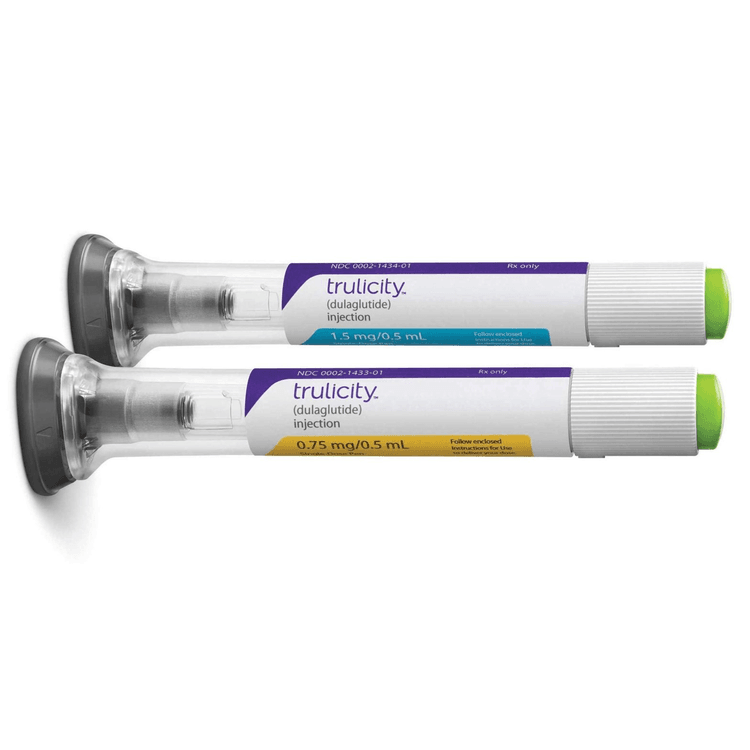
Trulicity is a prescription medicine given as an injection pen. It is used in the management of type 2 diabetes as part of an overall care plan. This page summarizes how it works, basic use information, safety considerations, and practical handling notes.
What Trulicity Is and How It Works
Trulicity (dulaglutide) is a GLP-1 receptor agonist (an incretin-mimicking medicine) used to support blood sugar control in people with type 2 diabetes. It works by increasing glucose-dependent insulin release, lowering glucagon (a hormone that raises blood sugar), and slowing stomach emptying. These effects can reduce post-meal glucose spikes and improve overall glycemic control when combined with diet and activity. People comparing information such as Trulicity price and safety often benefit from understanding this mechanism first.
We can help verify prescription details with the prescriber when needed. Some patients explore Ships from Canada to US when local access is limited, but eligibility varies by jurisdiction.
GLP-1 medicines are commonly discussed alongside other non-insulin options. For a broader view of similar therapies, you can browse the Glp 1 Agonists hub and review how different drug classes may fit into a treatment plan.
Who It’s For
Trulicity is generally prescribed for adults with Type 2 Diabetes to improve blood glucose control, along with lifestyle measures and sometimes other diabetes medicines. In some settings, clinicians may also consider it for people with type 2 diabetes who have certain cardiovascular risk factors, depending on local labeling and individual risk assessment. It is not used to treat type 1 diabetes and is not for diabetic ketoacidosis.
If Trulicity price is part of your research, it still helps to confirm the intended indication and safety history first. People should tell their clinician about any history of pancreatitis (inflammation of the pancreas), severe gastrointestinal disease, kidney problems, or gallbladder disease. Trulicity has an important thyroid tumor warning and is typically avoided in patients with a personal or family history of medullary thyroid carcinoma or those with MEN2. For more context on typical uses, see Trulicity Dulaglutide Uses.
Dosage and Usage
Trulicity is administered as a once-weekly, under-the-skin shot (subcutaneous injection). Understanding the weekly routine matters more than the Trulicity price when you are planning reminders and supplies. Many people choose a consistent day of the week, and the dose is usually taken with or without meals. The specific dose and any adjustments should follow the prescriber’s instructions and the product labeling.
General administration steps often include cleaning the skin, using a recommended injection site, and rotating sites to reduce irritation. Common sites include the abdomen, thigh, or upper arm when a caregiver is helping. Do not share pens, even if the needle is changed, because blood-borne infection risk can remain. For a patient-friendly walkthrough of weekly dosing basics and common questions, review Trulicity Dosing Guide.
- Same day weekly: keep a steady routine
- Rotate injection sites: reduce local irritation
- Do not mix in syringe: follow pen directions
- Follow missed-dose guidance: use label instructions
Strengths and Forms
Trulicity is supplied as a single-dose, prefilled injection pen intended for once-weekly use. In practice, patients and clinics may refer to it as a dulaglutide pen. The available labeled strengths can vary by country and by pharmacy supply, so a clinician’s prescription should match what is locally available.
The keyword lists and common prescribing patterns include strengths such as 0.75 mg, 1.5 mg, and 3 mg pens in some markets. Your prescriber will specify the strength and the number of pens needed for the dosing schedule. If you are comparing diabetes therapies more broadly, Common Diabetes Medications provides a class-level overview.
| Strength on label | Form | Notes |
|---|---|---|
| 0.75 mg pen | Single-dose prefilled pen | Used for some starters or lower-dose plans |
| 1.5 mg pen | Single-dose prefilled pen | Common maintenance strength in some regimens |
| 3 mg pen | Single-dose prefilled pen | May be used when higher dosing is prescribed |
Storage and Travel Basics
Store Trulicity according to the instructions on the carton and the pharmacy label. In general, pens are kept refrigerated and protected from light. Do not freeze the medication, and do not use it if it has been frozen. Avoid exposing pens to excessive heat, and inspect the pen before use if it has been dropped or left out.
Proper handling can help avoid waste, regardless of Trulicity price. When traveling, keep the pen in its original carton when possible, and consider using an insulated bag to reduce temperature swings. Always follow the product’s specific room-temperature limits, which can differ by market and packaging.
Quick tip: Keep a written list of medicines and doses when traveling.
- Refrigerate: follow label directions
- Do not freeze: discard if frozen
- Protect from light: keep in carton
- Inspect before use: check for damage
For device and supply planning, including safe transport of injectable medicines, see Diabetes Tech Pens.
Side Effects and Safety
Many side effects with GLP-1 medicines involve the digestive tract, especially when starting or increasing a dose. Nausea, vomiting, diarrhea, constipation, stomach discomfort, and reduced appetite may occur. Eating smaller meals, staying hydrated, and following the prescriber’s titration plan can help some people tolerate treatment, but any persistent symptoms should be discussed with a clinician.
More serious risks include pancreatitis symptoms (severe abdominal pain that may radiate to the back), gallbladder problems, allergic reactions, and worsening kidney function that can occur with severe vomiting or dehydration. Hypoglycemia (low blood sugar) is more likely when Trulicity is used with insulin or sulfonylureas, so monitoring plans may be adjusted by the prescriber. Treatment discussions may include tolerability alongside Trulicity price, especially when weighing alternatives and adherence barriers.
Why it matters: Early recognition of severe symptoms can prevent complications.
- Common effects: nausea, diarrhea, constipation
- Serious symptoms: severe abdominal pain
- Low blood sugar risk: higher with insulin
- Allergy warning: stop and seek care
If you want a practical symptom checklist and communication tips, read Manage Trulicity Side Effects.
Drug Interactions and Cautions
Trulicity can slow gastric emptying, which may affect how quickly some oral medicines are absorbed. This is usually not clinically significant for most drugs, but it can matter for medicines that require precise timing or have a narrow therapeutic window. Tell your clinician about all prescription drugs, over-the-counter products, and supplements you use, including weight-loss agents and herbal products.
Caution is also needed when Trulicity is combined with other glucose-lowering medicines. Using it with insulin or sulfonylureas may increase the risk of hypoglycemia, and dose changes for those agents may be required by the prescriber. If you are on multiple diabetes therapies, the guide Acceptable Combinations Of Diabetes provides general, non-prescriptive background to support clinician discussions.
- Insulin and sulfonylureas: hypoglycemia risk
- Oral medicines timing: absorption may shift
- Alcohol use: can affect glucose stability
- Kidney concerns: dehydration can worsen function
Compare With Alternatives
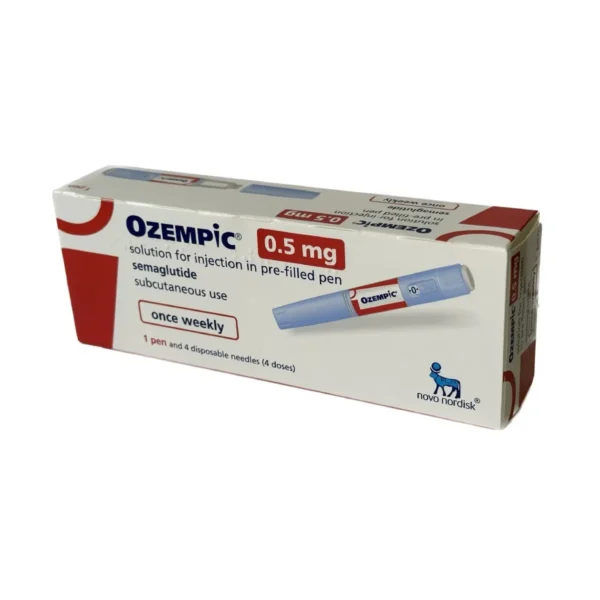
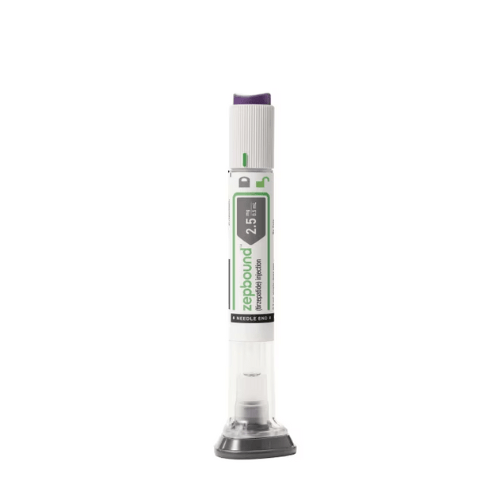
When comparing options, Trulicity price is only one factor. Clinicians often compare GLP-1 medicines by dosing schedule, side-effect patterns, device preferences, and medical history. Alternatives in the same broad category include weekly semaglutide injections and weekly tirzepatide, as well as other GLP-1 options with different dosing schedules.
For product examples, Trulicity is often compared with Ozempic Semaglutide Pens and Mounjaro. Some people also discuss daily liraglutide or oral semaglutide, depending on clinical goals and tolerance. For a structured overview of similarities and differences, see Trulicity Vs Ozempic.
- Within-class differences: device and schedule
- Side effects: GI tolerance varies
- Combinations: consider other diabetes drugs
- Medical history: thyroid and pancreas warnings





Reviews
Clear filtersThere are no reviews yet.